Who is making this move
The Census metro-to-metro flows show the New York metro as the single largest net source of movers to Charleston, roughly 1,900 people a year in the 2016 to 2020 average, with Bridgeport-Stamford, Boston and Washington also net contributors. Brokers on the sea islands put the out-of-state share of their luxury buyers near 80 percent, and name New York alongside California and Chicago. South Carolina as a whole has been adding about 90,000 residents a year, roughly twice the national growth rate, and Charleston County prices rose 81.3 percent in the six years to October 2025, third among the top 100 U.S. markets. If you are reading this from Manhattan, Westchester or Fairfield County, you are the median buyer, not the exception.
Where New Yorkers land
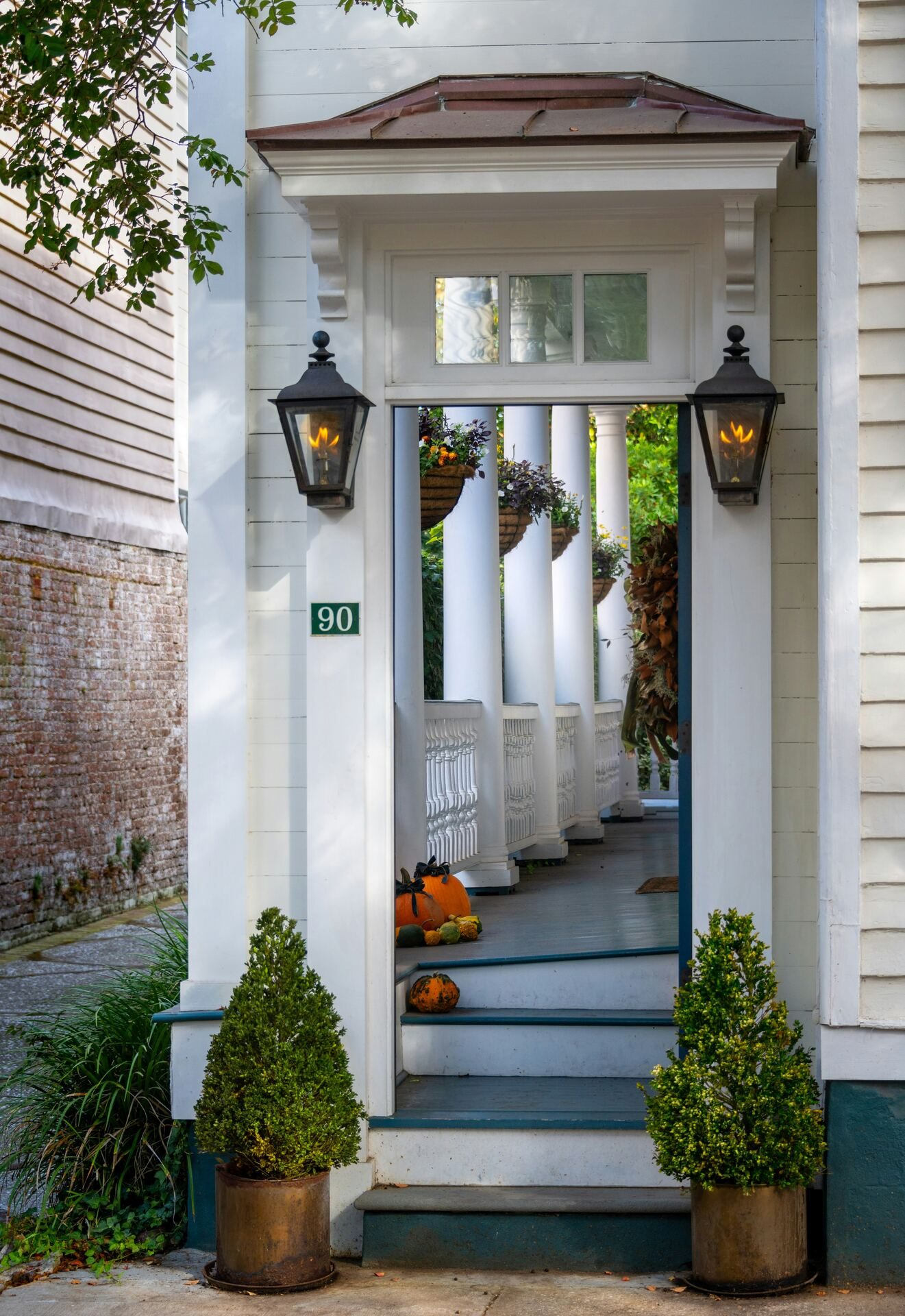
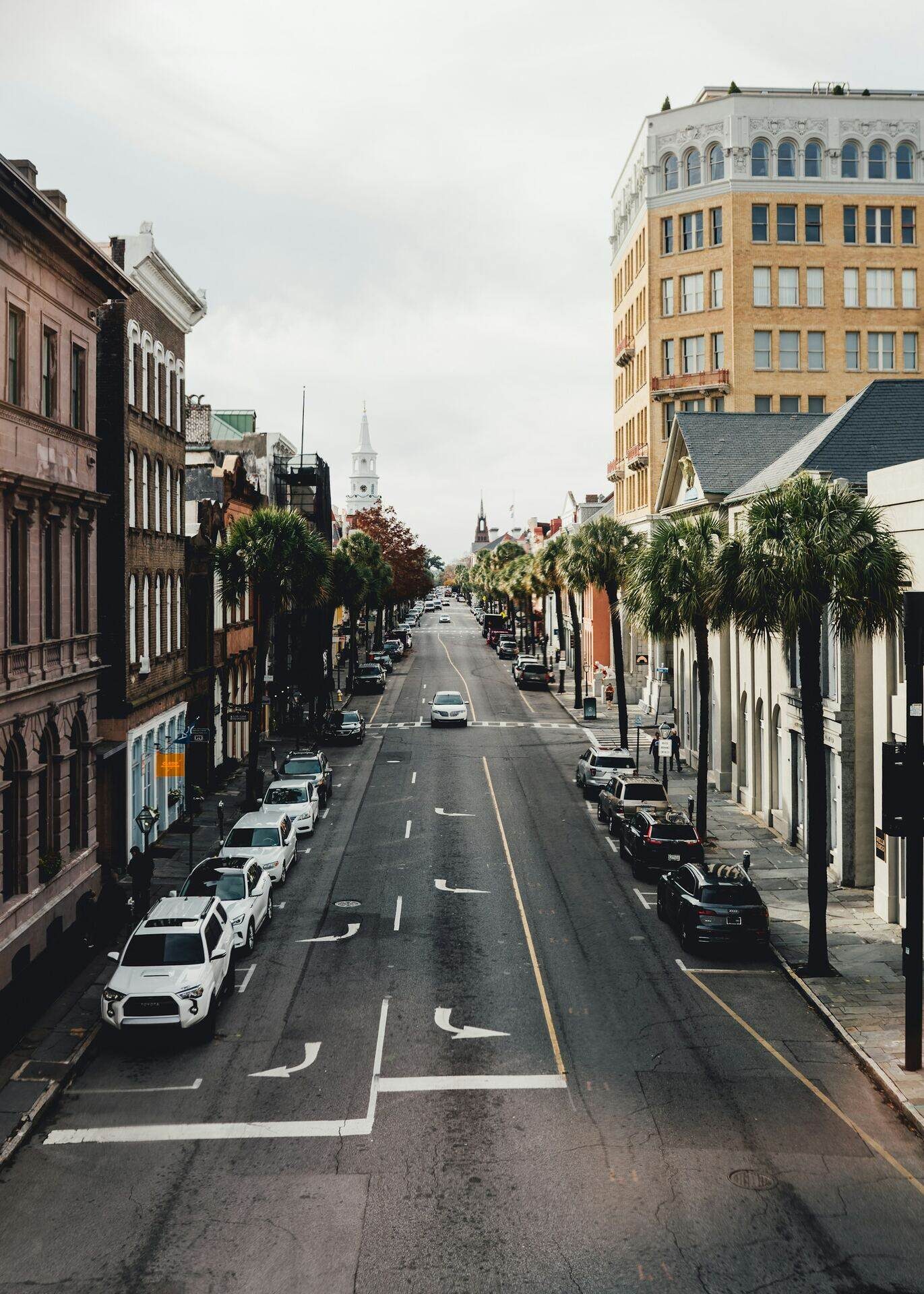
Three answers, by how you want to live. The peninsula is the closest thing to a city life: walkable, dense with restaurants, regulated by the Board of Architectural Review, and priced by the block. Downtown's 2025 median was $1,940,000 and the June 2026 monthly median $2,640,000; at $3,000,000 to $4,500,000 you are in a restored single house in Harleston Village, Ansonborough or the French Quarter, and South of Broad with a harbor view starts higher. The beaches are fifteen to forty-five minutes out: Sullivan's Island (2025 median $4,200,000, no short-term rentals, a town that caps house size), Isle of Palms ($2,660,000, licensed rentals, the gated Wild Dunes resort) and Kiawah (first-half 2026 single-family median $3,975,000, private, gated, club membership with select properties). The waterfront is Daniel Island (2025 median $2,110,000, 26 days on market, the region's fastest) and the Mount Pleasant harbor front, where the Old Village bluff produced sales of $14,950,000 and $14,000,000.
New York buyers tend to sort quickly. Those who want to walk to dinner choose the peninsula. Those replacing a Hamptons or Connecticut shore house choose Sullivan's or Kiawah. Those with children and a boat choose Daniel Island or Mount Pleasant. DHG structures the first trip to show all three in a day, so the second decision is made on facts.
The tax question, in plain terms
South Carolina's property tax depends on how the house is used. Under state law, an owner-occupied legal residence (with up to five contiguous acres) is assessed at 4 percent of fair market value; other real property, which includes a second home, is assessed at 6 percent. The difference compounds through the millage, so on a $5,000,000 house the choice between primary and secondary residence changes the annual bill substantially. This is a conversation to have with your accountant before you decide which house is which, and DHG will run both numbers on any property you are considering. (This is general information, not tax advice.)
Water, flood and the certificate
The peninsula below Broad, the harbor front and the barrier islands sit largely in FEMA flood zones. The City of Charleston has required two feet of freeboard above base flood elevation for new residential construction since July 2020, and a permit is required for all work in the flood hazard area. The elevation certificate, which records the finished floor against base flood elevation, sets the insurance premium and shapes the resale. New Yorkers are used to co-op boards and flip taxes; here the equivalent gatekeepers are the elevation certificate, the Board of Architectural Review on the peninsula, and the club documents on Kiawah and Seabrook. DHG pulls all three before an offer.
The commute, the flights and the pace
Charleston International is about fifteen to twenty minutes from the peninsula and Daniel Island, and nonstop flights to the New York airports run about two hours. Many relocating households keep a New York footprint for the first year or two, which is one reason second-home assessment matters. The pace is slower in every way except the housing market: the right house at the right price goes under contract in days, which is why a buyer from out of state needs an advisor who already knows the inventory, listed and unlisted.
How DHG runs a search from New York
A first conversation about goals, budget and timeline. A short list rather than a scattershot weekend. Live video tours with plain notes on what the camera flatters. Flood, BAR and club research before any offer. Proof of funds or lender pre-qualification structured so your offer reads as the strongest in the stack. And, through Christie's International Real Estate, an introduction to the affiliate advisor in New York to sell the home you are leaving, with both transactions timed to land in the right order.
Sources
Every figure in this article traces to a source below. Market data carries a date because it changes.
| Data point | Source |
|---|---|
| Census metro-to-metro flows to Charleston (New York metro as top net source) | Berkeley-Charleston-Dorchester Council of Governments, Feb 13, 2023 (Census metro-to-metro flows, 2016 to 2020) bcdcog.com/metro-area-to-metro-area-migration-flows-2 |
| Census gross inflows by metro, including Bridgeport-Stamford and Boston | Stacker, Jun 23, 2022 (Census 2015 to 2019 flows) stacker.com/stories/south-carolina/charlestonsc/metros-sending-most-people-charleston-sout |
| Out-of-state share of sea-island buyers; Realtor.com appreciation figure | The Post and Courier, 2026 Predictions, Dec 27, 2025 www.postandcourier.com/2026-predictions-what-will-the-real-estate-market-in-charleston-loo |
| South Carolina population growth; 2025 submarket medians and days on market | The Post and Courier, Jan 16, 2026 www.postandcourier.com/business/real_estate/charleston-sc-homes-price-sale-2026/article_6b |
| $2M+ closings up 30.6 percent year to date | William Means Real Estate, How's the Market?, Sep 24, 2026 charlestonrealestate.com/blog/hows-the-market |
| June 2026 downtown median | The Cassina Group, Market Report, June 2026 www.thecassinagroup.com/blog/market-report-june-2026/ |
| Kiawah first-half 2026 median | Pam Harrington Exclusives, Kiawah Island Q2 2026 report pamharringtonexclusives.com/kiawah-island-q2-2026-real-estate-market-report/ |
| Mount Pleasant record and 202 Bank Street | The Post and Courier, Oct 27, 2025 www.postandcourier.com/business/real_estate/sullivans-island-record-waterfront-home-sales/ |
| Assessment ratios: 4 percent owner-occupied legal residence, 6 percent other real property | South Carolina Code of Laws, Title 12, Chapter 43, Section 12-43-220 (assessment ratios) www.scstatehouse.gov/code/t12c043.php |
| Freeboard and floodplain rules | City of Charleston, Floodplain Development charleston-sc.gov/2382/Floodplain-Development |
| Board of Architectural Review | City of Charleston, Board of Architectural Review charleston-sc.gov/293 |
| Kiawah membership structure | Kiawah Island Real Estate, Understanding Memberships (updated Jun 24, 2026) www.kiawahisland.com/island-life/understanding-memberships/ |
| Feeder markets named by downtown brokers | The Post and Courier, Sep 8, 2024 www.postandcourier.com/charlestonschoice/charleston-home-sales-cassina-group/article_56845 |
What decides the outcome
The move from New York to Charleston is made by more households every year than from anywhere else, and the ones who do it well decide on facts: the submarket, the tax status, the elevation certificate, the club documents. DHG supplies the facts and a native's read on them, then handles both ends of the move.